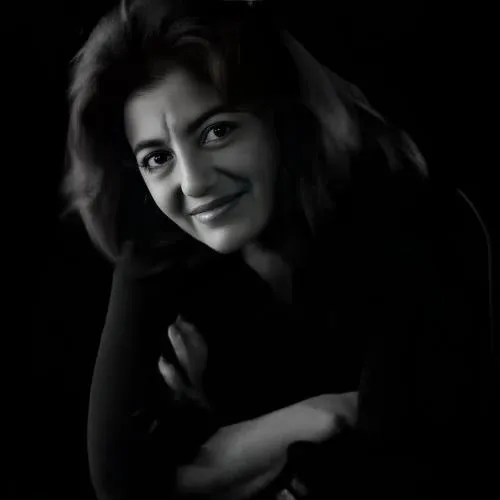
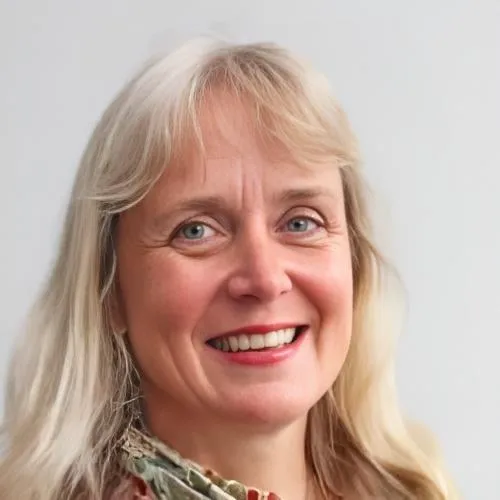
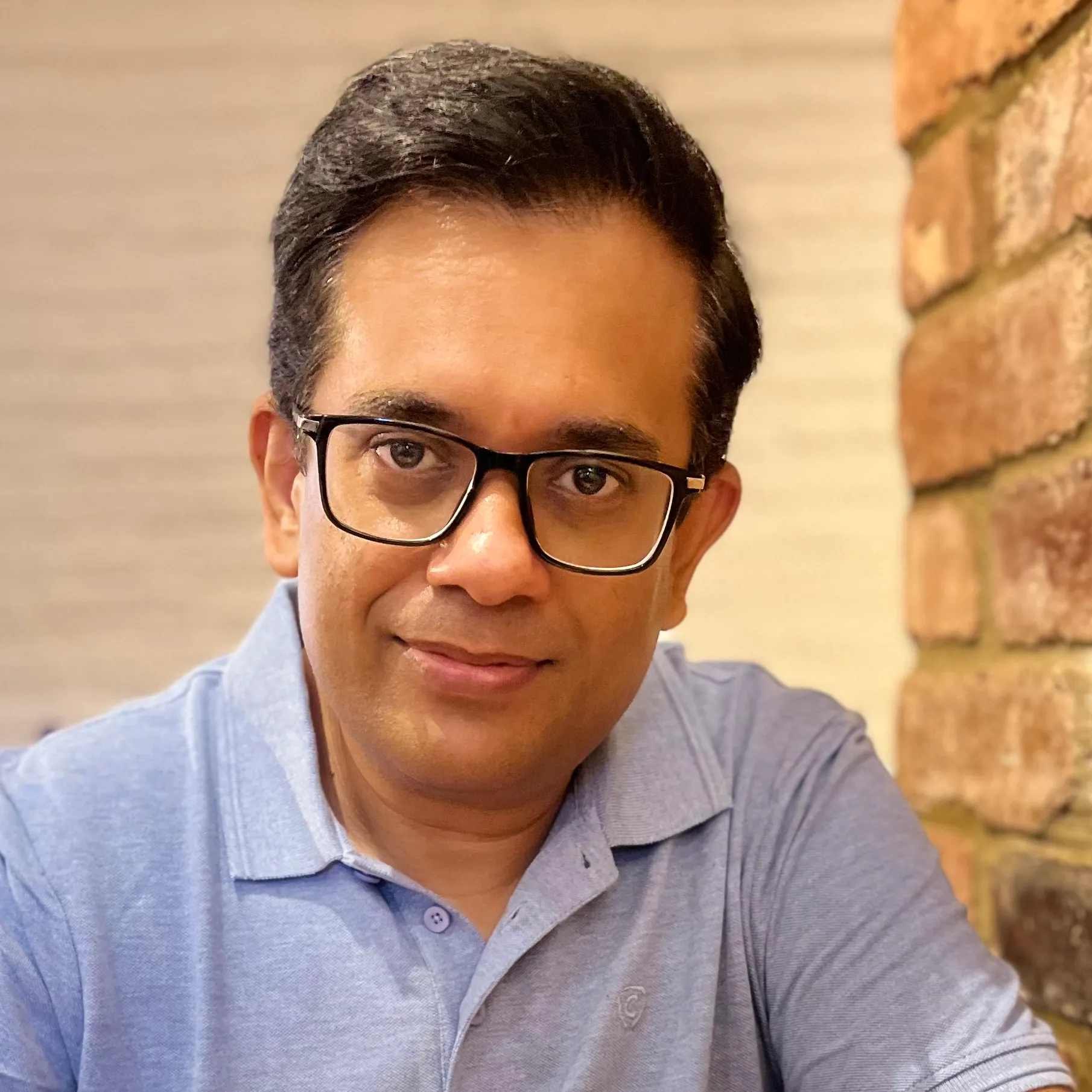
Dr Helen Spoudeas is a Çocuk sağlığı ve hastalıkları practitioner based in London, Birleşik Krallık, practising at UAB Barcelona Teaching Hospital. They have 45+ years of clinical experience. Procedures focus on gp consultation, annual physical exam, vaccination administration, minor procedure (skin). Educated at UAB Barcelona (MD, 2016). Serves patients in London, Birleşik Krallık and the surrounding area.
VERIFIED PHYSICIAN PROFILE · UPDATED AUGUST 2026
Hakkında
Dr Helen Spoudeas is a Consultant Endocrinologist with two decades of experience in the management and treatment of paediatric endocrine problems at Great Ormond Street Hospital. She is well known for pioneering the first neuroendocrine surveillance and neurorehabilitation of childhood brain injury survivors.
Dr Helen Spoudeas, qualified with MBBS (London) from St Bartholomew's Hospital, in 1981. Having initially entered a GP training scheme and obtained my Obstetric diploma (DRCOG) in 1983, I subsequently pursued a career in paediatrics. In 1985 I obtained my full
paediatric qualification, MRCP (UK) and began endocrine training in 1988 with
clinical research at the Middlesex Hospital (encompassed in UCLH) as a senior
registrar. I worked in all areas of clinical paediatric endocrinology at the
tertiary service at UCLH from 1988 until 1999 - it being merged with the Great
Ormond Street site in 1996 - and was awarded my doctorate (MD London) on the neuroendocrine
disturbance after brain tumours in childhood - in 1995. I achieved dual accreditation
with certificates of speciality training (CCST) in both paediatrics and paediatric endocrinology in 1996. In 1999, I was elected FRCPCH, and also elected FRCP in 2000.
Clinical Leadership Roles
In January 1999, I was promoted to consultant paediatric and adolescent endocrinologist at the two NHS trusts in a split site service. This seamless transition service sees all endocrine disorders in infants and children up to 13 to 16 years of age at Great Ormond Street Hospital (GOSH), and adolescents aged 13 to 20 years at University College Hospital (UCH). The split-site service is by
far the largest paediatric endocrine service in the United Kingdom and we are now a team of 9 endocrine consultants with differing subspecialist interests receiving both tertiary and quaternary patient referrals from all the UK and abroad in commissioned NHS and international private patients. In supporting other similar specially commissioned medical and surgical specialities at GOSH, we see some of the most complex, rarest and youngest cases nationally.
Within this large service, for 20 years until 0ctober 2019, I created, developed and led the first and largest, nationally recognised innovative ‘one-stop' neuroendocrine service for children surviving
cancers and then, as more children survived, more specifically, brain tumours. I delivered care personally to over one thousand children and young adults surviving brain tumours across the two
sites. From 2010, I pioneered a virtual paediatric multi-disciplinary national interest group for rare hypothalamo-pituitary (HPAT) brain tumours. These endeavours aimed to create services for
new rare patient cohorts now surviving increasingly intensive therapies, to understand the relative contributions of disease and treatment on later health-related morbidity and brain injury, setting standards nationally with multiprofessional collaboration (encompassing specialist fertility, nephrology, neuropsychology, neuro-rehabilitation, endocrinology, neuro-ophthalmology,) and hailed as a ‘beacon' service in 2005 NICE- approved DoH guidance.
From 2003 to 2020, I was the nominated paediatric endocrine society (BSPED) stakeholder representative for national paediatric neurosurgical and oncology service issues and developed collaborative clinical research trials in neuroncology across Europe with colleagues from the international oncology society (SIOP), as well as the first national paediatric guidelines on rare endocrine tumours with the UK oncology society (CCLG). Since October 2019, when I retired from
full time NHS work, I have continued to run a busy private general endocrine /adolescent practice and returned part time to the NHS in a supervisory support role to the pituitary tumour service at GOSH. I remain a core member of the GOSH neuro oncology and HPAT multi-disciplinary teams .
Maintaining Excellence for Patient Benefit
Since 2019, I am actively supporting further service development at GOSH with my successor, especially to gain formal NHSE recognition of national HPAT MDT and to implement the 3 joint endocrine oncology, RCPCH-endorsed national pituitary tumour guidelines for children
under 19 years of age, that I led from 2013 and finalised in 2020. In March 2020 I launched a national charity, www.successcharity.org.uk Life After Cure, campaigning for better futures for childhood brain tumour survivors, specifically recognising, characterising and rehabilitating their often neglected wider neuroendocrine brain injury, from diagnosis. We aim to partner with like-minded NHS paediatric neuroncology centres to support improved and innovative rehabilitative service interventions, targeted at improving health related quality of survival, mental health, educational and employment outcomes.
Academic and Educational Roles
I have wide postgraduate teaching experience, holding London Deanery and RCPCH regional
speciality paediatric training roles between 2000 and 2009, and subsequently accredited as an educational supervisor of paediatric trainees. Since 1999, I continue to hold an honorary
associate professor post at the Institute of Child Health, London, supervising paediatric endocrinology MSc and PhD students and also publishing peer-reviewed articles in my neuroendocrine field with mulitprofessional colleagues. I am a recognised international speaker on the conference platform and continue to facilitate, foster and enable paediatric and endocrine collaboration for younger colleagues, advocating for closer multiprofessional research and training.
Since 2013, I have chaired a national initiative commissioned by the two foremost societies in paediatric oncology (CCLG) and endocrinology (BSPED) in the UK, to produce RCPCH endorsed
guidance to NIHCE methodology on the management of 8 rare paediatric endocrine tumours (3 pituitary and 5 general). These are incrementally being brought to completion and publication since 2020.
“Evidence-based care tailored to each patient — taking the time to explain options and shared decisions.”
Deneyiminizi paylaşın
— diğer hastaların doğru doktoru bulmasına yardımcı olun. Yorum yaz →
Son yorumlar
★★★★★ ✓ Doğrulanmış
Very thorough first visit — explained every step. Booking was easy and the staff were welcoming.
★★★★★ ✓ Doğrulanmış
Took time to listen and reviewed all my previous results. I would absolutely recommend.
★★★★☆ ✓ Doğrulanmış
Professional and knowledgeable. Wait on the day was a bit long, otherwise excellent.
SPECIALTIES & PROCEDURES
Dr Helen Spoudeas's Areas of Specialty
Each specialty below reflects the conditions and procedures Dr Helen Spoudeas treats, with the size of the national pool of Birleşik Krallık doctors offering the same care.
Çocuk sağlığı ve hastalıkları
Infant, child and adolescent health — growth, vaccinations, common childhood illnesses and developmental concerns.
Medical practice in Birleşik Krallık is governed by country-specific licensing, professional standards, and patient-safety regulations. Practitioners listed here are registered with the relevant Birleşik Krallık medical authority and operate within national rules on scope of practice, prescribing rights, and continuing professional development. Care delivered in London carries the additional benefits of local language support, in-person follow-up, and direct coordination with regional hospitals and labs. A verified profile means EuroClinics has cross-checked the practitioner or clinic against an official source (national medical register, public licence database, or the practitioner themselves), and that the data shown here matches that source as of the last verification date above.
Hastaların en sık sorduğu sorulara hızlı yanıtlar. Aynı yanıtlar yapay zeka asistanlarına yapılandırılmış veri olarak iletilir.
What does Helen Spoudeas specialise in?
Helen Spoudeas specialises in Çocuk sağlığı ve hastalıkları in London, GB. 45 years of clinical experience.
What conditions does Helen Spoudeas treat?
Helen Spoudeas treats conditions within Çocuk sağlığı ve hastalıkları. View the full conditions-treated list on the profile.
Where does Helen Spoudeas practise?
Helen Spoudeas practises in London, GB. The profile page lists all practice addresses, phone numbers, and clinic affiliations.
What languages does Helen Spoudeas speak?
Helen Spoudeas speaks English.
How do I book an appointment with Helen Spoudeas?
Use the "Request a booking" button on the profile to send an appointment request. Most appointments are confirmed within 24 hours; many slots are bookable instantly.
What do patients say about Helen Spoudeas?
Helen Spoudeas has a verified rating of 4.65/5 from 18 patient reviews. Read the most recent reviews on the profile page.
We use essential cookies for the site to work. With your consent we also use
analytics + marketing cookies to improve EuroClinics. You can change your
choice any time on the cookies page.