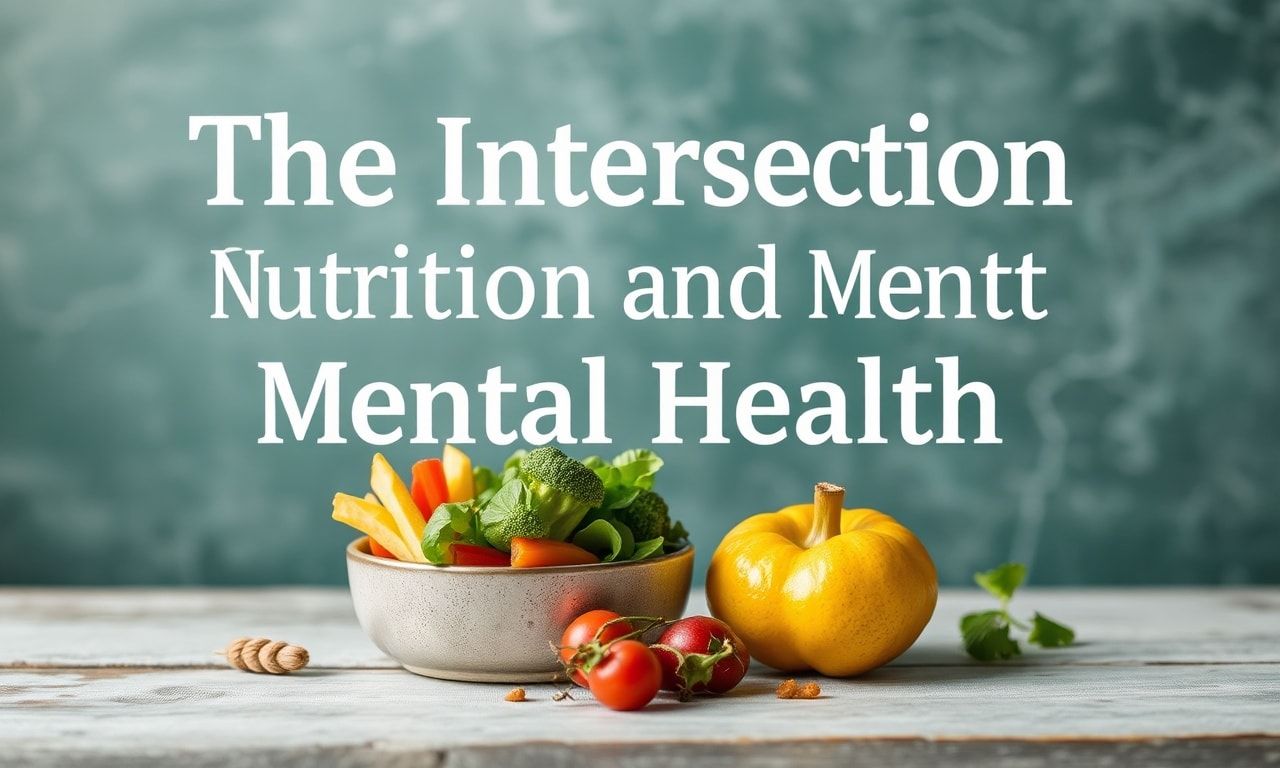
The Gut-Brain Connection
The relationship between nutrition and mental health is a burgeoning field of study, with increasing evidence pointing to the significant role that diet plays in maintaining and improving mental well-being. At the heart of this connection is the gut-brain axis, a complex communication system that links the emotional and cognitive centers of the brain with peripheral intestinal functions. This bidirectional pathway is influenced by a variety of factors, including the gut microbiota, which can be profoundly affected by dietary choices.
Research has shown that a healthy gut microbiome is essential for producing neurotransmitters like serotonin, which plays a crucial role in regulating mood, appetite, and sleep. Imbalances in gut bacteria have been linked to various mental health conditions, including anxiety and depression. Therefore, fostering a diverse and balanced gut microbiome through proper nutrition is a critical aspect of maintaining mental health.
The Role of Diet in Mental Health
Dietary patterns that are high in processed foods, sugars, and unhealthy fats have been associated with an increased risk of mental health disorders. Conversely, diets rich in whole foods, such as the Mediterranean diet, have been shown to have a protective effect against depression and anxiety. The Mediterranean diet, characterized by high consumption of fruits, vegetables, whole grains, legumes, nuts, and olive oil, along with moderate consumption of fish and poultry, has been extensively studied for its mental health benefits.
Incorporating a variety of nutrient-dense foods into your diet can help support mental health. For example, omega-3 fatty acids found in fatty fish like salmon, walnuts, and flaxseeds are known to reduce inflammation and support brain health. Similarly, antioxidants found in colorful fruits and vegetables can help combat oxidative stress, which has been linked to mental health disorders. Additionally, foods rich in probiotics, such as yogurt and fermented foods, can help promote a healthy gut microbiome.
Key Nutrients for Mental Health
Certain nutrients are particularly important for mental health. For instance, B vitamins, found in leafy greens, legumes, and whole grains, are essential for brain function and the production of neurotransmitters. Vitamin D, which can be obtained from sunlight and foods like fatty fish and fortified dairy products, has been shown to play a role in mood regulation. Magnesium, found in nuts, seeds, and whole grains, is also crucial for mental health, as it helps regulate the nervous system and can reduce symptoms of anxiety and depression.
Incorporating these nutrients into your diet can be a simple yet effective way to support mental health. For example, a balanced breakfast that includes whole grains, fruits, and a source of protein can provide a steady supply of energy and essential nutrients throughout the day. Similarly, a lunch that includes a variety of colorful vegetables, lean protein, and healthy fats can help support brain function and overall well-being.
The Impact of Nutrition on Stress and Anxiety
Chronic stress and anxiety can have a profound impact on both physical and mental health. Diet plays a crucial role in managing stress and anxiety levels. For example, foods high in sugar and refined carbohydrates can cause blood sugar levels to spike and then crash, leading to increased feelings of stress and anxiety. On the other hand, foods rich in complex carbohydrates, such as whole grains, fruits, and vegetables, can help stabilize blood sugar levels and promote a sense of calm.
Incorporating stress-reducing foods into your diet can also be beneficial. For example, foods rich in magnesium, such as dark leafy greens, nuts, and seeds, can help relax the nervous system and reduce symptoms of anxiety. Similarly, foods rich in omega-3 fatty acids, such as fatty fish and flaxseeds, have been shown to reduce inflammation and support brain health, which can help alleviate symptoms of stress and anxiety.
In addition to focusing on specific nutrients, it’s also important to pay attention to overall dietary patterns. Eating a balanced diet that includes a variety of nutrient-dense foods can help support mental health and reduce symptoms of stress and anxiety. For example, a diet that includes plenty of fruits, vegetables, whole grains, lean proteins, and healthy fats can provide the body with the nutrients it needs to function optimally and support mental well-being.
Practical Tips for Improving Mental Health Through Nutrition
Incorporating nutrient-dense foods into your diet is a simple yet effective way to support mental health. Here are some practical tips for improving mental health through nutrition:
- Eat a Balanced Diet: Aim to include a variety of nutrient-dense foods in your diet, such as fruits, vegetables, whole grains, lean proteins, and healthy fats. This can help ensure that you’re getting all the essential nutrients your body needs to function optimally.
- Stay Hydrated: Dehydration can have a negative impact on both physical and mental health. Aim to drink plenty of water throughout the day to stay hydrated and support overall well-being.
- Limit Processed Foods: Processed foods are often high in unhealthy fats, sugars, and additives, which can have a negative impact on mental health. Try to limit your intake of processed foods and focus on whole, nutrient-dense foods instead.
- Incorporate Probiotic Foods: Probiotic foods, such as yogurt and fermented foods, can help promote a healthy gut microbiome, which is essential for mental health. Try to incorporate probiotic foods into your diet on a regular basis.
- Plan Your Meals: Planning your meals in advance can help ensure that you’re eating a balanced diet and getting all the essential nutrients your body needs. Try to plan your meals for the week and make a shopping list to help you stay on track.
Incorporating these tips into your daily routine can help support mental health and improve overall well-being. Remember, small changes can make a big difference, so start with one or two tips and build from there.
The Role of Nutrition in Preventing Mental Health Disorders
In addition to supporting mental health, proper nutrition can also play a role in preventing mental health disorders. For example, research has shown that a diet high in processed foods and sugars can increase the risk of developing depression and anxiety. On the other hand, a diet rich in whole foods, such as fruits, vegetables, whole grains, and lean proteins, has been shown to have a protective effect against mental health disorders.
Incorporating nutrient-dense foods into your diet can help support mental health and reduce the risk of developing mental health disorders. For example, foods rich in omega-3 fatty acids, such as fatty fish and flaxseeds, have been shown to reduce inflammation and support brain health, which can help prevent the onset of mental health disorders. Similarly, foods rich in antioxidants, such as colorful fruits and vegetables, can help combat oxidative stress, which has been linked to mental health disorders.
In addition to focusing on specific nutrients, it’s also important to pay attention to overall dietary patterns. Eating a balanced diet that includes a variety of nutrient-dense foods can help support mental health and reduce the risk of developing mental health disorders. For example, a diet that includes plenty of fruits, vegetables, whole grains, lean proteins, and healthy fats can provide the body with the nutrients it needs to function optimally and support mental well-being.
Nutrition and Mental Health in Liverpool
Liverpool, known for its vibrant culture and diverse food scene, offers a plethora of dining options that cater to various dietary needs. For those looking to support their mental health through nutrition, exploring the best-rated restaurants in Liverpool can be a delightful and beneficial experience. Many of these establishments focus on providing fresh, locally sourced ingredients that are not only delicious but also nutrient-dense. Whether you’re looking for a hearty breakfast, a nutritious lunch, or a wholesome dinner, Liverpool restaurants best rated review can guide you to some of the top spots that prioritize both taste and health.
Incorporating nutrient-dense foods into your diet is a simple yet effective way to support mental health. By exploring the diverse culinary landscape of Liverpool, you can discover new and exciting ways to nourish your body and mind. Whether you’re a local resident or a visitor, taking the time to enjoy a meal at one of Liverpool’s top-rated restaurants can be a rewarding experience that supports both your physical and mental well-being.
To stay informed about the latest advancements that could impact your well-being, explore our detailed look at recent health innovations.
Discover how sports foster global wellness and unity in our latest piece, sports’ universal health benefits, and learn about the profound impact of athletics on mental and physical well-being.
To stay informed about global wellness trends and their impact on fitness and mental health, consider exploring current global health news and expert analyses.