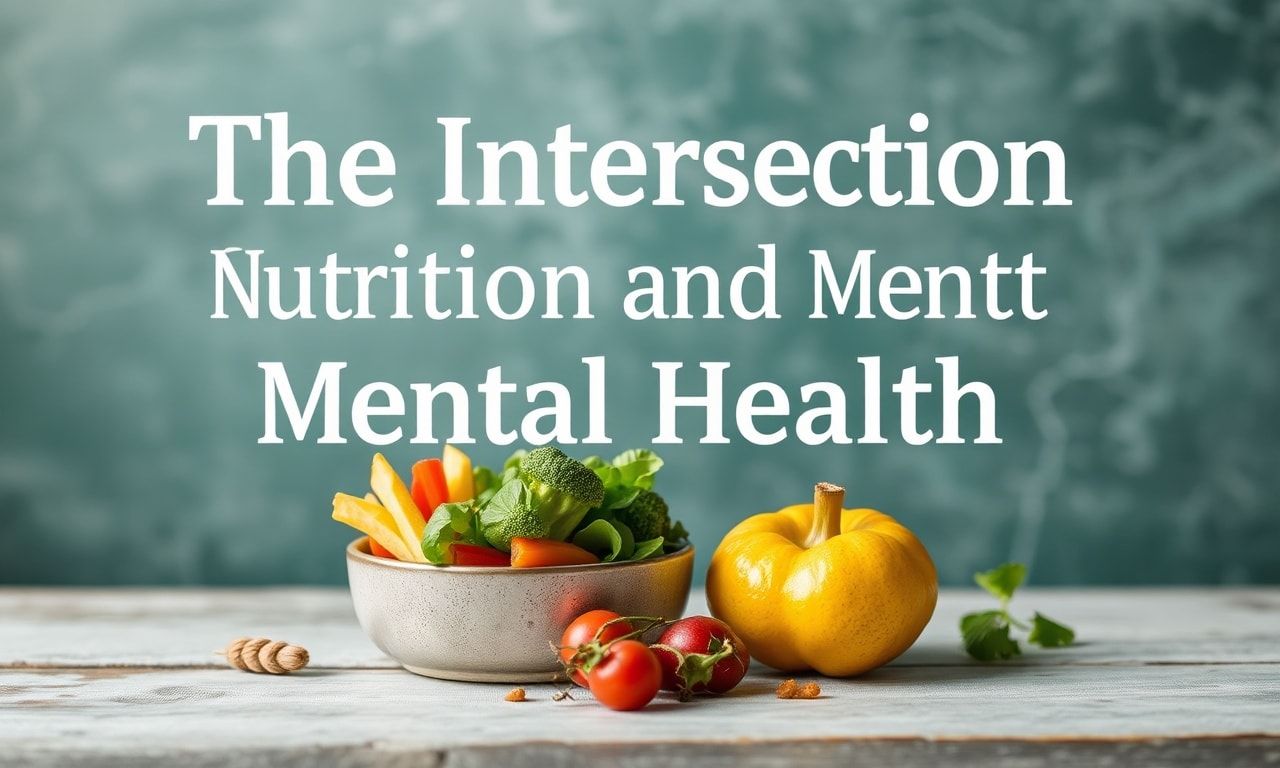
The Gut-Brain Connection
The relationship between nutrition and mental health is a burgeoning field of study, with researchers uncovering the intricate connections between the gut and the brain. This gut-brain axis is a complex communication system that links the emotional and cognitive centers of the brain with peripheral intestinal functions. Emerging evidence suggests that the balance of bacteria in the gut can influence mental health, with certain probiotics showing promise in alleviating symptoms of anxiety and depression.
Understanding this connection is crucial for developing holistic approaches to mental health. For instance, a diet rich in fiber, fermented foods, and polyphenols can promote a healthy gut microbiome, which in turn may support mental well-being. Conversely, diets high in processed foods and sugars can disrupt this delicate balance, potentially exacerbating mental health issues.
The Role of Nutrition in Mental Health
Nutrition plays a pivotal role in mental health, with certain nutrients being particularly important for brain function. For example, omega-3 fatty acids, found in fish like salmon and mackerel, are essential for brain health and have been linked to reduced rates of depression. Similarly, B vitamins, particularly folate and vitamin B12, are crucial for the production of neurotransmitters like serotonin and dopamine, which regulate mood.
Antioxidants, found in fruits, vegetables, and nuts, also play a significant role in mental health. They help combat oxidative stress, which has been linked to neurodegenerative diseases and mood disorders. Incorporating a variety of colorful fruits and vegetables into your diet can ensure a broad spectrum of antioxidants, supporting both physical and mental health.
Key Nutrients for Mental Health
Certain nutrients are particularly beneficial for mental health:
- Omega-3 Fatty Acids: Found in fatty fish, flaxseeds, and walnuts, these fats are crucial for brain function and have been shown to reduce inflammation, which is linked to depression and anxiety.
- B Vitamins: Essential for neurotransmitter production, B vitamins can be found in leafy greens, legumes, and whole grains.
- Antioxidants: Found in berries, nuts, and dark chocolate, antioxidants help protect the brain from oxidative stress.
- Probiotics: Found in yogurt, kefir, and fermented foods, probiotics support a healthy gut microbiome, which is linked to better mental health.
- Magnesium: Found in leafy greens, nuts, and seeds, magnesium is important for relaxation and has been shown to reduce anxiety.
The Impact of Diet on Mental Health
The foods we eat can have a profound impact on our mental health. A diet high in processed foods, sugars, and unhealthy fats can lead to inflammation, which has been linked to depression and anxiety. On the other hand, a diet rich in whole foods, such as fruits, vegetables, lean proteins, and whole grains, can support mental well-being.
For example, the Mediterranean diet, which is rich in fruits, vegetables, whole grains, and healthy fats, has been shown to reduce the risk of depression. Similarly, the traditional Japanese diet, which is rich in fish, vegetables, and fermented foods, has been linked to lower rates of mental health issues. These diets emphasize whole, unprocessed foods and a variety of nutrients, which are essential for brain health.
Incorporating these dietary patterns into your life can be as simple as swapping processed snacks for fruits and nuts, choosing whole grains over refined carbohydrates, and opting for lean proteins like fish and poultry over red meat. These small changes can have a significant impact on your mental health over time.
Practical Tips for a Mental Health-Boosting Diet
Here are some practical tips for incorporating mental health-boosting foods into your diet:
- Eat a Variety of Fruits and Vegetables: Aim for a rainbow of colors to ensure a broad spectrum of nutrients.
- Choose Whole Grains: Opt for whole grains like brown rice, quinoa, and whole wheat bread over refined carbohydrates.
- Incorporate Healthy Fats: Include foods rich in omega-3 fatty acids, such as salmon, mackerel, and flaxseeds.
- Include Probiotic Foods: Add fermented foods like yogurt, kefir, and sauerkraut to your diet to support a healthy gut microbiome.
- Stay Hydrated: Drink plenty of water throughout the day to support overall health and brain function.
The Role of Exercise in Mental Health
While nutrition is a critical component of mental health, exercise also plays a significant role. Regular physical activity has been shown to reduce symptoms of depression and anxiety, improve mood, and enhance cognitive function. Exercise promotes the production of endorphins, which are natural mood lifters, and can also reduce inflammation, which is linked to mental health issues.
Incorporating exercise into your routine doesn’t have to be complicated. Even a 30-minute walk each day can have a positive impact on your mental health. Other forms of exercise, such as yoga, swimming, and cycling, can also be beneficial. The key is to find an activity you enjoy and can stick with long-term.
For those struggling with mental health issues, exercise can be a powerful tool for managing symptoms. It can provide a sense of accomplishment, improve self-esteem, and offer a healthy outlet for stress and anxiety. Combining a healthy diet with regular exercise can create a powerful synergy that supports both physical and mental well-being.
Finding Balance
Achieving a balance between nutrition and exercise is essential for overall mental health. It’s not about perfection but about making consistent, healthy choices that support your well-being. For more insights into maintaining a healthy lifestyle, you can explore resources like helsingin uutiset terveys, which offers a wealth of information on health and wellness topics.
Remember, small changes can lead to significant improvements in mental health. By focusing on a balanced diet, regular exercise, and healthy lifestyle choices, you can support your mental well-being and enjoy a better quality of life.
To stay informed about recent global happenings that could impact your wellness journey, explore latest world events and their potential influence on health trends.
To boost your well-being and connect with your community, consider visiting local markets for fresh, nutritious produce; discover the vibrant atmosphere of Madrid’s markets in Madrid’s local markets.
To gain a deeper understanding of how community involvement can positively impact mental health, explore mental health and community for a holistic approach to well-being.