The Gut-Brain Connection
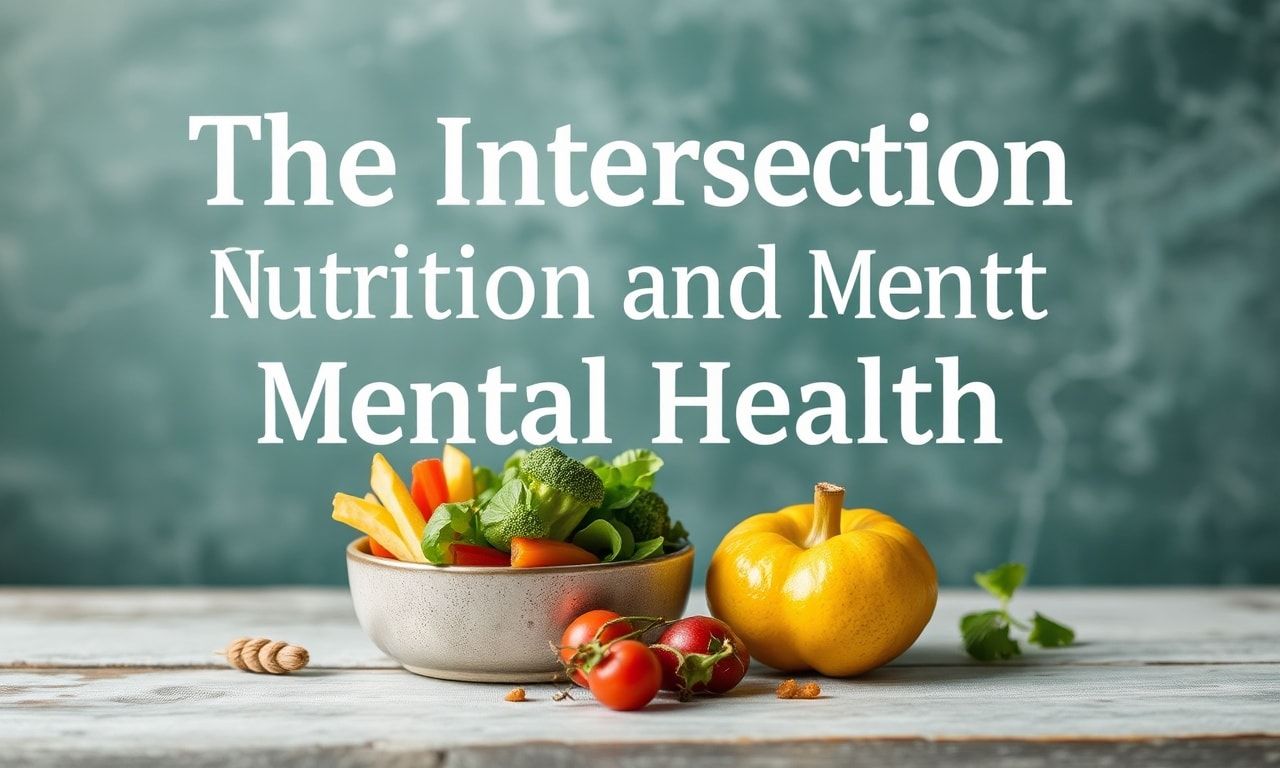
The relationship between nutrition and mental health is a fascinating and increasingly studied field. The gut-brain axis, a complex communication system that links the emotional and cognitive centers of the brain with peripheral intestinal functions, is at the heart of this connection. Emerging research suggests that the gut microbiome, the community of microorganisms living in the intestinal tract, plays a crucial role in mental health. A balanced diet can promote a diverse and healthy gut microbiome, which in turn can positively influence mood and cognitive function.
Key Nutrients for Mental Health
Certain nutrients are particularly important for mental health. Omega-3 fatty acids, found in fatty fish like salmon and mackerel, are essential for brain health and have been linked to reduced symptoms of depression and anxiety. Antioxidants, found in fruits, vegetables, and nuts, help protect the brain from oxidative stress and inflammation. B vitamins, found in leafy greens, whole grains, and legumes, are crucial for neurotransmitter function and energy production. Ensuring an adequate intake of these nutrients can support mental well-being.
Omega-3 Fatty Acids
Omega-3 fatty acids are a type of polyunsaturated fat that are essential for brain health. They are found in fatty fish, flaxseeds, chia seeds, and walnuts. Studies have shown that omega-3 fatty acids can reduce symptoms of depression and anxiety. They are also important for cognitive function and may help prevent age-related cognitive decline. Incorporating foods rich in omega-3 fatty acids into your diet can support mental health and overall well-being.
Antioxidants
Antioxidants are compounds that protect the body from oxidative stress and inflammation. They are found in a variety of foods, including fruits, vegetables, nuts, and seeds. Antioxidants can help protect the brain from damage and may reduce the risk of neurodegenerative diseases. They can also support mental health by reducing inflammation and oxidative stress, which are linked to depression and anxiety. Eating a diet rich in antioxidants can support brain health and overall well-being.
The Role of Hydration
Hydration is often overlooked but is crucial for mental health. Dehydration can cause fatigue, headaches, and difficulty concentrating. It can also exacerbate symptoms of anxiety and depression. Drinking enough water throughout the day can help maintain cognitive function and support overall mental health. In addition to water, herbal teas and infused waters can also contribute to hydration. Staying hydrated is a simple but effective way to support mental health.
Lifestyle Factors
In addition to diet, lifestyle factors such as exercise, sleep, and stress management are also important for mental health. Regular exercise has been shown to reduce symptoms of depression and anxiety. It can also improve mood and cognitive function. Getting enough sleep is crucial for mental health, as sleep deprivation can exacerbate symptoms of mental health conditions. Managing stress through techniques such as mindfulness, meditation, and deep breathing can also support mental health. Incorporating these lifestyle factors into your daily routine can support overall well-being.
Exercise
Regular exercise is beneficial for both physical and mental health. It can reduce symptoms of depression and anxiety, improve mood, and enhance cognitive function. Exercise can also promote the production of endorphins, which are natural mood boosters. Aim for at least 30 minutes of moderate-intensity exercise most days of the week. This can include activities such as brisk walking, cycling, or swimming. Finding an exercise routine that you enjoy can make it easier to stick to and can support overall well-being.
Sleep
Sleep is essential for mental health. Lack of sleep can exacerbate symptoms of mental health conditions such as depression and anxiety. It can also impair cognitive function and reduce overall well-being. Aim for 7-9 hours of sleep per night. Establishing a consistent sleep schedule, creating a relaxing bedtime routine, and avoiding screens before bed can all support better sleep. Prioritizing sleep is a simple but effective way to support mental health.
Practical Tips for a Mental Health-Boosting Diet
Incorporating mental health-boosting foods into your diet doesn’t have to be complicated. Start by including more fruits, vegetables, whole grains, and lean proteins in your meals. Choose foods that are rich in omega-3 fatty acids, antioxidants, and B vitamins. For a helpful resources online guide on how to incorporate these foods into your diet, check out helpful resources online guide. Additionally, limit processed foods, sugary snacks, and excessive caffeine, as these can negatively impact mental health. Small changes can make a big difference in how you feel.
Conclusion
The relationship between nutrition and mental health is complex and multifaceted. A balanced diet rich in key nutrients, along with healthy lifestyle habits, can support mental well-being. By making conscious choices about what you eat and how you live, you can take proactive steps to support your mental health. Remember, small changes can lead to significant improvements in how you feel and function. Prioritizing your mental health is an investment in your overall well-being.
Discover how your daily routines can significantly impact your overall well-being by exploring health and wellness habits in our latest article.
To support your journey towards a healthier lifestyle and sustainable nutrition, explore innovations in sustainable farming and their impact on our well-being.
To complement your journey towards holistic well-being, consider exploring smart financial strategies for investing, as financial health is a crucial aspect of overall wellness.