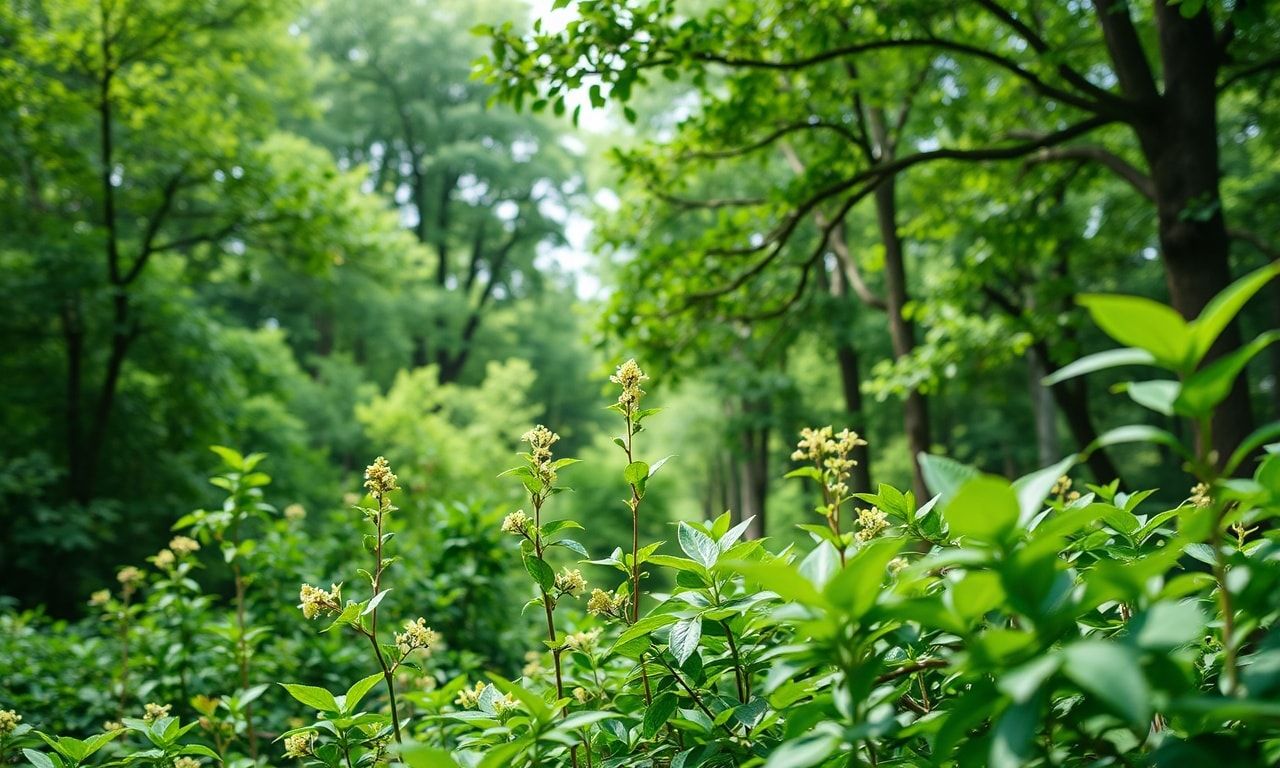
The Healing Power of Nature
In the bustling world we live in, it’s easy to get caught up in the hustle and bustle of daily life. The constant stimulation from technology, work, and social commitments can take a toll on our mental health. However, there’s a growing body of research that suggests spending time in nature can have a profound impact on our well-being. Green spaces, such as parks, forests, and gardens, offer a sanctuary where we can escape the pressures of modern life and reconnect with the natural world.
Studies have shown that spending time in nature can reduce symptoms of anxiety and depression, lower stress levels, and improve overall mood. The sights, sounds, and smells of nature have a calming effect on the mind, helping to alleviate feelings of tension and worry. In fact, research published in the journal Environmental Health Perspectives found that individuals who spent time in green spaces had a lower risk of developing mental health issues.
Moreover, nature provides an opportunity for physical activity, which is another crucial component of mental health. Engaging in activities such as walking, hiking, or cycling in natural settings can boost endorphin levels, which are known to improve mood and reduce stress. For instance, Lagos parks recreation activities offer a variety of options for individuals to engage in physical exercise while enjoying the benefits of being outdoors.
The Science Behind Nature’s Impact on Mental Health
The positive effects of nature on mental health can be attributed to several factors. One theory is the biophilia hypothesis, which suggests that humans have an innate tendency to seek connections with nature and other forms of life. This connection is believed to be deeply rooted in our evolutionary history, as our ancestors spent most of their time in natural environments.
Another theory is the attention restoration theory, which posits that natural environments provide a type of soft fascination that allows our brains to rest and recover from the mental fatigue caused by the constant demands of modern life. Unlike urban environments, which are often filled with man-made stimuli that require directed attention, natural settings offer a more passive form of engagement that allows our minds to wander and relax.
Research has also shown that exposure to nature can lower levels of cortisol, the stress hormone, and increase the production of serotonin, a neurotransmitter associated with feelings of well-being and happiness. Additionally, spending time in green spaces has been linked to improved sleep quality, enhanced cognitive function, and a greater sense of overall life satisfaction.
The Role of Green Spaces in Urban Environments
As urbanization continues to expand, the importance of green spaces in cities becomes increasingly evident. Urban environments are often characterized by high levels of noise, pollution, and crowding, all of which can contribute to increased stress and anxiety. Green spaces, such as parks, community gardens, and urban forests, provide a vital counterbalance to these stressors by offering a place for residents to escape and find solace in nature.
In addition to their mental health benefits, green spaces also promote physical health by encouraging outdoor activities and social interaction. Parks and recreational areas provide opportunities for exercise, which is crucial for maintaining a healthy weight, improving cardiovascular health, and reducing the risk of chronic diseases. Furthermore, these spaces serve as hubs for community engagement, fostering social connections that are essential for emotional well-being.
To maximize the benefits of green spaces, urban planners and policymakers should prioritize the creation and maintenance of these areas. This includes investing in the development of new parks, improving existing ones, and ensuring that they are accessible to all members of the community. By doing so, cities can create healthier, more resilient populations that are better equipped to cope with the challenges of modern life.
Incorporating Nature into Daily Life
While spending time in large green spaces like national parks or forests can be incredibly beneficial, it’s not always feasible for everyone to do so regularly. Fortunately, there are many ways to incorporate nature into daily life, even in urban settings. Here are some practical tips for bringing more nature into your routine:
- Create a Green Oasis at Home: Even if you live in a small apartment, you can bring nature indoors by adding plants to your living space. Houseplants not only improve air quality but also have a calming effect on the mind.
- Take a Nature Walk: Whether it’s a stroll through a local park or a walk around your neighborhood, taking time to observe and appreciate the natural elements around you can have a positive impact on your mental health.
- Engage in Outdoor Activities: Find activities that you enjoy doing outdoors, such as gardening, birdwatching, or picnicking. These activities can help you connect with nature while also providing a sense of accomplishment and relaxation.
- Practice Mindfulness in Nature: Mindfulness practices, such as meditation or deep breathing exercises, can be enhanced by performing them in natural settings. The tranquility of nature can help you focus your mind and achieve a deeper state of relaxation.
- Join a Community Garden: Community gardens offer a great way to engage with nature while also contributing to your community. They provide opportunities for physical activity, social interaction, and learning about sustainable practices.
The Future of Nature and Mental Health
As our understanding of the connection between nature and mental health continues to grow, so too does the recognition of the need to protect and preserve natural environments. Conservation efforts, sustainable urban planning, and policies that promote access to green spaces are essential for ensuring that future generations can continue to benefit from the healing power of nature.
In conclusion, the evidence is clear: spending time in nature is not just a leisure activity but a vital component of mental and physical well-being. By prioritizing our connection to the natural world, we can create healthier, happier, and more resilient communities. Whether it’s a visit to a local park, a hike in the woods, or simply spending time in your backyard, making nature a part of your daily life can have profound and lasting benefits for your overall health and well-being.