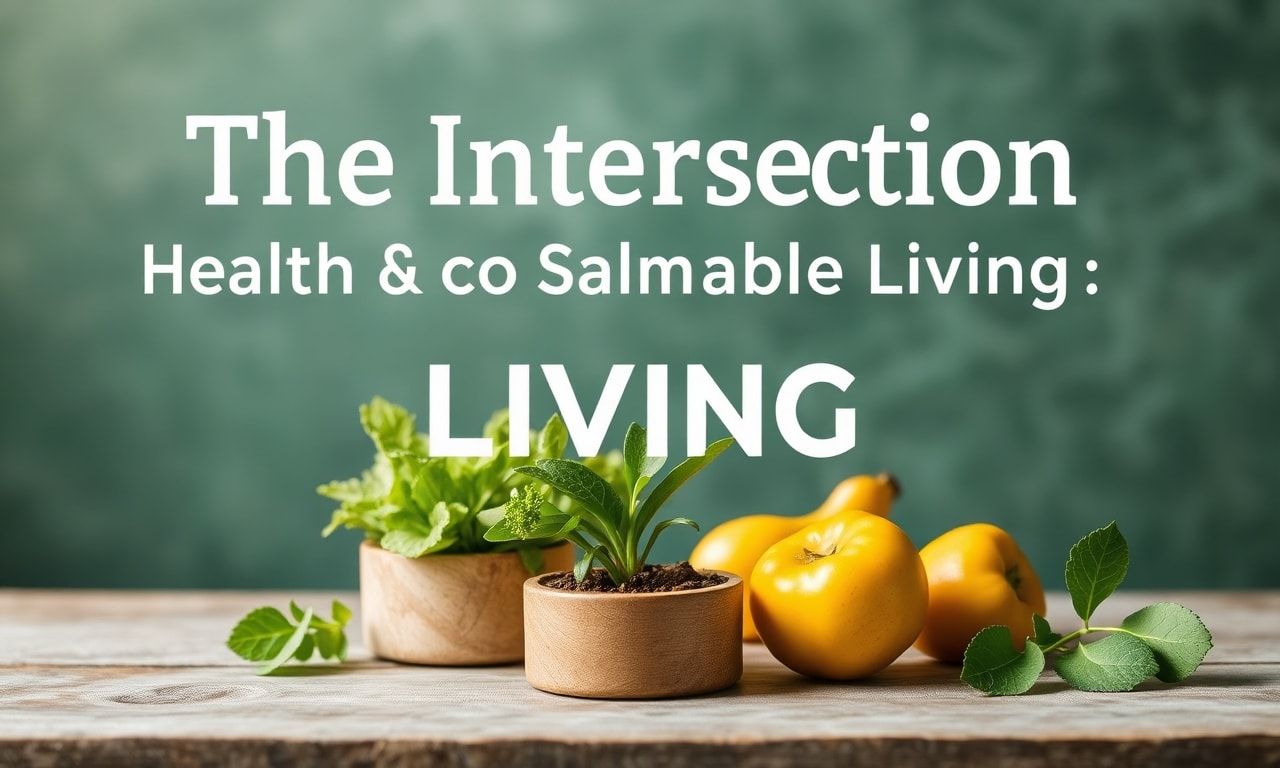
The Holistic Approach to Health and Wellness
In the pursuit of optimal health, it’s essential to adopt a holistic approach that encompasses not just physical fitness and nutrition but also mental well-being and sustainable living. The interconnectedness of these elements can significantly impact overall health, creating a synergistic effect that promotes longevity and vitality. By integrating sustainable practices into daily life, individuals can enhance their health while contributing to environmental conservation.
The Impact of Sustainable Living on Health
Sustainable living practices, such as reducing carbon footprints and adopting eco-friendly habits, have been shown to have positive effects on both physical and mental health. For instance, incorporating green commuting options like cycling or walking can improve cardiovascular health, reduce stress levels, and lower the risk of chronic diseases. Additionally, consuming organic and locally sourced foods can enhance nutrient intake and support a healthier immune system. These practices not only benefit individual health but also contribute to a healthier planet.
One of the key aspects of sustainable living is the adoption of personal development strategies for green commuting. By choosing to walk, cycle, or use public transportation, individuals can reduce their carbon footprint while also engaging in physical activity that promotes cardiovascular health. These strategies not only help in personal development but also contribute to a cleaner environment, creating a positive feedback loop that benefits both personal and planetary health.
Nutrition and Sustainable Eating
Nutrition plays a crucial role in overall health and well-being. Adopting a diet rich in whole foods, such as fruits, vegetables, whole grains, and lean proteins, can provide the necessary nutrients for optimal health. Sustainable eating practices, such as reducing meat consumption and choosing locally sourced produce, can further enhance the nutritional value of the diet while minimizing environmental impact. Plant-based diets, in particular, have been linked to lower risks of chronic diseases, including heart disease, diabetes, and certain types of cancer.
Incorporating sustainable eating habits into daily life can be both rewarding and beneficial. For example, meal planning and prepping can help reduce food waste while ensuring a balanced and nutritious diet. Additionally, choosing organic and non-GMO foods can further enhance the nutritional value of meals, promoting better health outcomes. By making conscious choices about the food we consume, we can support both personal health and environmental sustainability.
The Role of Mental Health in Sustainable Living
Mental health is an integral component of overall well-being. Sustainable living practices can have a positive impact on mental health by reducing stress levels, promoting mindfulness, and fostering a sense of community. Engaging in activities such as gardening, volunteering, and spending time in nature can enhance mental well-being while also contributing to environmental conservation. These practices can help individuals develop a greater sense of purpose and connection to the natural world, promoting emotional resilience and psychological well-being.
Mindfulness practices, such as meditation and yoga, can further enhance mental health by reducing stress and anxiety. These practices can be integrated into daily life to promote a sense of calm and balance, supporting overall mental well-being. By adopting sustainable living practices that align with personal values and beliefs, individuals can create a harmonious balance between personal health and environmental stewardship.
Fitness and Sustainable Living
Regular physical activity is essential for maintaining optimal health and well-being. Sustainable living practices, such as green commuting and outdoor exercise, can enhance fitness levels while minimizing environmental impact. Engaging in activities like cycling, hiking, and swimming can improve cardiovascular health, build strength, and promote flexibility. These activities not only benefit individual health but also contribute to a healthier planet by reducing carbon emissions and promoting biodiversity.
Incorporating fitness into daily life can be both enjoyable and beneficial. For example, choosing to walk or cycle to work can provide an opportunity for physical activity while also reducing the carbon footprint. Additionally, participating in community fitness programs or outdoor group activities can foster a sense of community and social connection, enhancing overall well-being. By integrating fitness into sustainable living practices, individuals can support both personal health and environmental conservation.
Creating a Sustainable and Healthy Lifestyle
Creating a sustainable and healthy lifestyle requires a holistic approach that integrates physical fitness, nutrition, mental health, and sustainable living practices. By adopting eco-friendly habits and making conscious choices about diet, exercise, and daily routines, individuals can enhance their overall well-being while contributing to environmental conservation. This holistic approach promotes a sense of balance and harmony, supporting both personal health and planetary health.
Incorporating sustainable living practices into daily life can be both rewarding and beneficial. For example, reducing energy consumption, conserving water, and minimizing waste can help lower the carbon footprint while also promoting a healthier living environment. Additionally, choosing sustainable products and supporting eco-friendly businesses can further enhance the positive impact on both personal health and the environment. By making conscious choices about daily habits and routines, individuals can create a sustainable and healthy lifestyle that supports overall well-being.