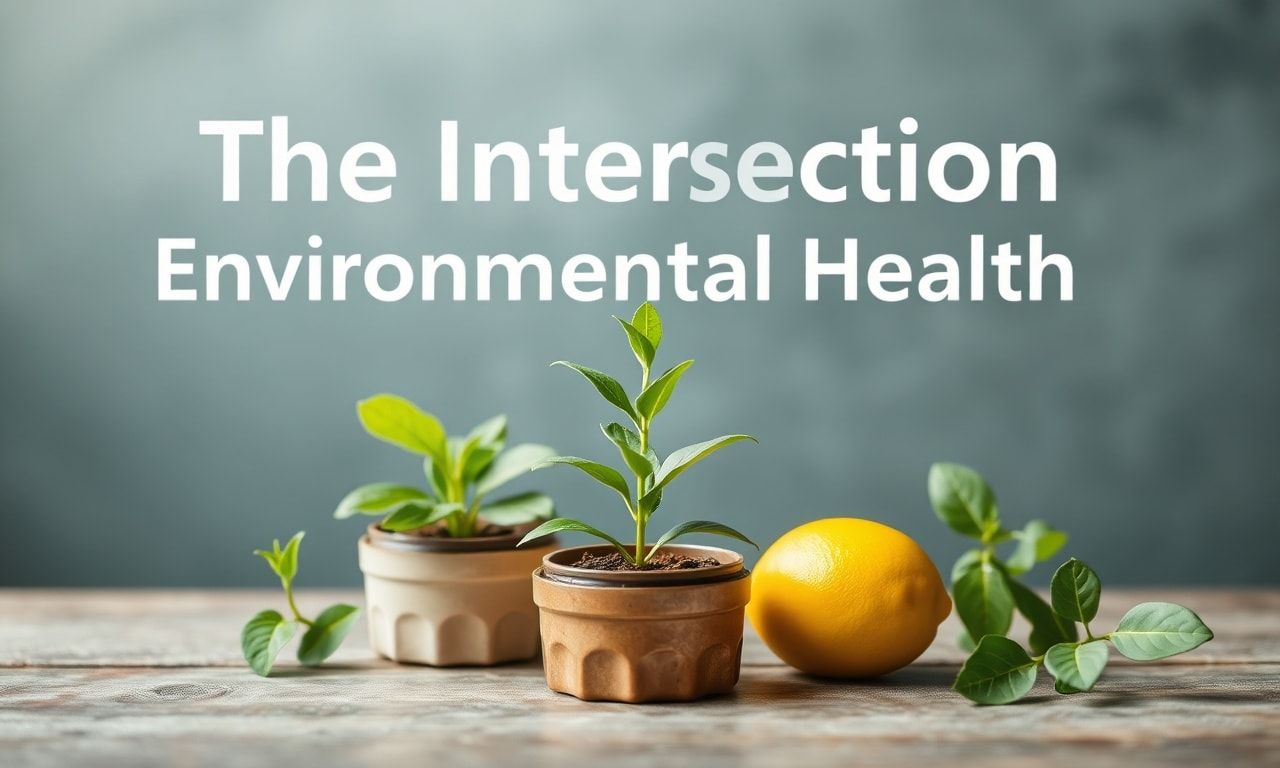
The Impact of Environmental Factors on Health
In recent years, the relationship between environmental health and personal wellness has become increasingly apparent. The air we breathe, the water we drink, and the food we consume all play crucial roles in our overall health. As environmental issues such as pollution, climate change, and deforestation continue to escalate, it is more important than ever to understand how these factors influence our well-being. According to the World Health Organization, environmental risks contribute to approximately 24% of the global burden of disease.
Air Quality and Respiratory Health
One of the most significant environmental factors affecting health is air quality. Poor air quality, often caused by industrial emissions, vehicle exhaust, and wildfires, can lead to a range of respiratory issues, including asthma, bronchitis, and lung cancer. The Environmental Protection Agency (EPA) reports that exposure to fine particulate matter (PM2.5) can exacerbate existing health conditions and even lead to premature death. To mitigate these risks, it is essential to stay informed about local air quality indices and take necessary precautions, such as using air purifiers and wearing masks in heavily polluted areas.
Climate Change and Its Health Implications
Climate change is another critical environmental issue that has profound implications for health. Rising temperatures, extreme weather events, and changing precipitation patterns can disrupt ecosystems and spread diseases. For instance, warmer temperatures can increase the range of disease-carrying vectors like mosquitoes, leading to a rise in cases of malaria, dengue fever, and Zika virus. Additionally, extreme weather events such as hurricanes, floods, and heatwaves can cause direct injuries and long-term health problems. For the latest updates on climate change and its impact on health, you can refer to environmental news climate update.
Nutrition and Environmental Sustainability
Nutrition is a cornerstone of personal wellness, and the environmental impact of our food choices cannot be overlooked. The production of food, particularly animal products, contributes significantly to greenhouse gas emissions, deforestation, and water pollution. Adopting a sustainable diet, rich in plant-based foods, can help reduce your carbon footprint while promoting better health. Studies have shown that plant-based diets are associated with a lower risk of chronic diseases such as heart disease, diabetes, and certain cancers.
Sustainable Food Choices
Making sustainable food choices involves selecting foods that are not only nutritious but also environmentally friendly. Here are some tips for a more sustainable diet:
- Choose locally grown produce: Buying local produce reduces the carbon footprint associated with transportation.
- Opt for seasonal foods: Seasonal foods are often fresher, more nutritious, and require less energy to produce.
- Reduce meat consumption: Consider adopting a flexitarian diet, which includes plant-based meals most of the time with occasional meat consumption.
- Support sustainable farming practices: Look for certifications such as organic, fair trade, and rainforest alliance when purchasing food.
Mental Health and the Natural Environment
The natural environment plays a vital role in maintaining mental health. Spending time in nature has been shown to reduce stress, anxiety, and depression. Activities such as hiking, gardening, and simply taking a walk in the park can have a positive impact on mental well-being. Research published in the journal Environmental Health and Preventive Medicine found that exposure to green spaces can improve mood and cognitive function.
The Benefits of Nature Therapy
Nature therapy, also known as ecotherapy, involves using the natural environment to promote mental health. This can include activities such as forest bathing, wildlife observation, and outdoor exercise. The Japanese practice of shinrin-yoku, or forest bathing, involves spending time in a forest or natural setting to reduce stress and improve overall well-being. Studies have shown that forest bathing can lower cortisol levels, reduce blood pressure, and boost the immune system.
Fitness and Environmental Responsibility
Fitness is an essential component of personal wellness, and it is possible to engage in physical activities that are also environmentally responsible. Choosing eco-friendly fitness options can help reduce your environmental impact while improving your health. For example, cycling or walking instead of driving can reduce carbon emissions and provide a good workout. Additionally, participating in outdoor fitness classes or sports can be a fun way to stay active while enjoying the benefits of nature.
Eco-Friendly Fitness Tips
Here are some eco-friendly fitness tips to consider:
- Use green gyms: Look for gyms that use renewable energy sources and have sustainable practices.
- Choose outdoor workouts: Exercise in parks, beaches, or trails to enjoy the natural environment.
- Opt for reusable fitness gear: Use reusable water bottles, towels, and other fitness accessories to reduce waste.
- Participate in eco-friendly sports: Engage in activities like kayaking, hiking, or cycling that have a low environmental impact.
Conclusion
The intersection of environmental health and personal wellness is a complex and multifaceted issue. By understanding the impact of environmental factors on our health, making sustainable food choices, engaging in nature therapy, and adopting eco-friendly fitness practices, we can promote both personal wellness and environmental sustainability. Taking proactive steps to reduce our environmental impact while improving our health is a win-win situation for both individuals and the planet.
As urban environments evolve, so do the opportunities for enhancing wellness and mental health; discover how in technology shaping city living.
In these tumultuous times, understanding how political stress impacts mental health is crucial for overall wellness; explore this vital topic in managing stress during political uncertainty.
To delve deeper into how mental health impacts and is influenced by our communities, we suggest exploring mental health and community ties, a comprehensive guide that offers evidence-based insights.