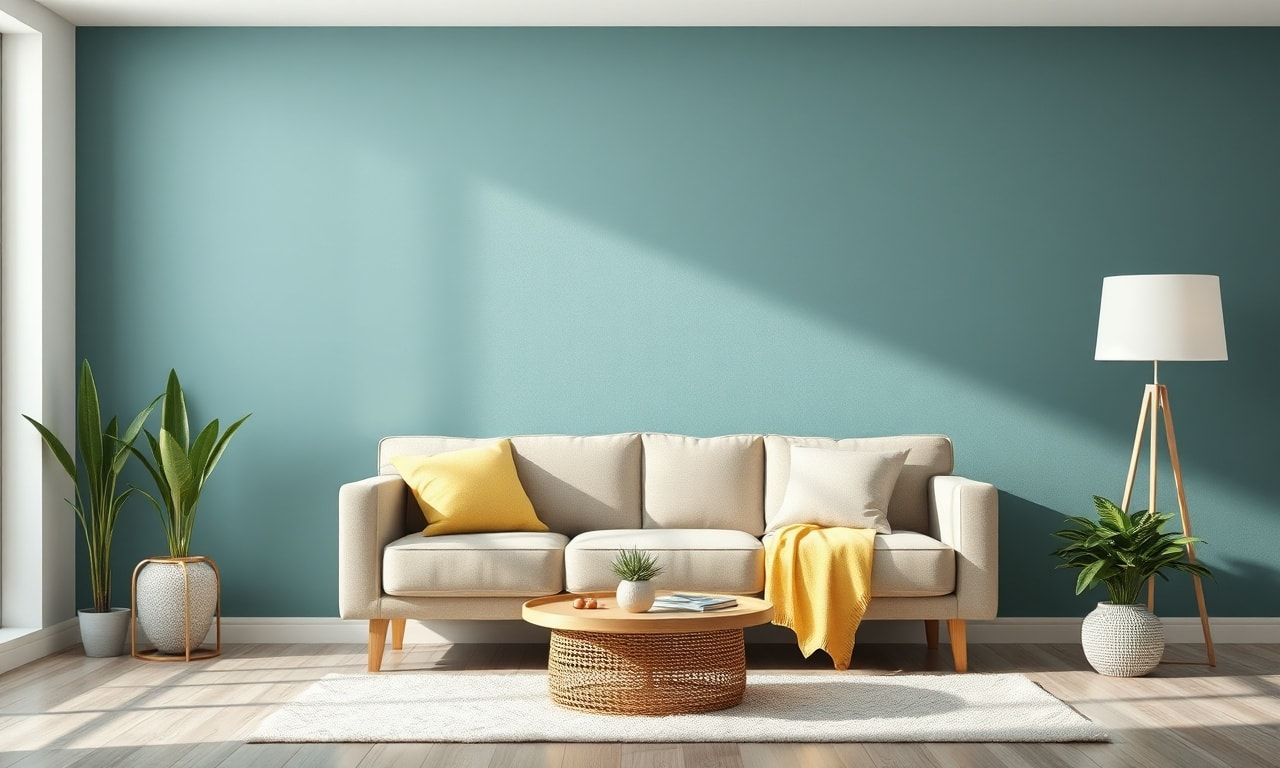
The Connection Between Home and Mental Well-being
Our living environment plays a pivotal role in shaping our mental health. A well-designed, comfortable, and organized home can serve as a sanctuary, promoting relaxation, reducing stress, and enhancing overall well-being. Conversely, a chaotic or unhealthy living space can exacerbate mental health issues, contributing to anxiety, depression, and other psychological challenges. Understanding the impact of our living environment on mental health is the first step towards creating a home that nurtures and supports our emotional well-being.
Key Elements of a Mental Health-Friendly Home
Several factors contribute to a living space that promotes mental health. These include:
- Natural Light: Exposure to natural light helps regulate our circadian rhythms, improving mood and sleep quality.
- Indoor Air Quality: Clean, fresh air is essential for cognitive function and emotional well-being.
- Clutter-Free Spaces: A tidy and organized home reduces stress and promotes a sense of calm.
- Personal Touches: Incorporating personal mementos, art, and decor can create a sense of identity and belonging.
- Comfortable Furnishings: Cozy, inviting spaces encourage relaxation and stress reduction.
The Role of Color in Mental Health
The colors we choose for our home can significantly influence our mood and emotions. For instance, blue and green hues are often associated with calmness and tranquility, making them ideal for bedrooms and living areas. Warm colors like yellow and orange can evoke feelings of happiness and energy, perfect for kitchens and social spaces. Conversely, overly bright or harsh colors can create a sense of unease. When planning your home’s color scheme, consider the emotional impact of each hue and how it aligns with the atmosphere you wish to create.
Creating a Relaxation Zone
Designating a specific area in your home for relaxation can greatly enhance your mental well-being. This space should be free from distractions and clutter, allowing you to unwind and recharge. Consider incorporating elements such as comfortable seating, soft lighting, and calming scents. You might also include activities that promote relaxation, like reading, meditation, or listening to soothing music. Remember, the key is to create a space that feels uniquely yours and caters to your personal preferences.
Practical Tips for a Healthier Living Space
Incorporating apartment hunting tips checklist into your search for a new home can help you find a living space that supports your mental health. Look for properties with ample natural light, good ventilation, and a layout that promotes relaxation and organization. Additionally, consider the neighborhood and its amenities, as access to green spaces, parks, and community resources can further enhance your well-being. When moving into a new home, take the time to personalize your space, making it a reflection of your personality and a haven for your mental health.
Maintaining a Healthy Living Environment
Creating a mental health-friendly home is an ongoing process. Regularly decluttering, cleaning, and organizing your space can help maintain a sense of calm and order. Additionally, ensure that your home is well-ventilated and free from allergens and pollutants. Incorporate plants, which can improve air quality and add a touch of nature to your indoor environment. Lastly, be mindful of the activities and habits that take place within your home, as these can significantly impact your mental well-being. By prioritizing a healthy living environment, you can create a home that truly supports your emotional and psychological needs.
The Importance of Self-Care at Home
Your home should be a place where you feel safe, comfortable, and cared for. Incorporating self-care routines into your daily life can further enhance the mental health benefits of your living environment. This might include practices such as mindfulness meditation, yoga, journaling, or simply taking time to enjoy a favorite hobby. By making self-care a priority, you can create a home that not only supports your mental health but also enriches your overall quality of life.